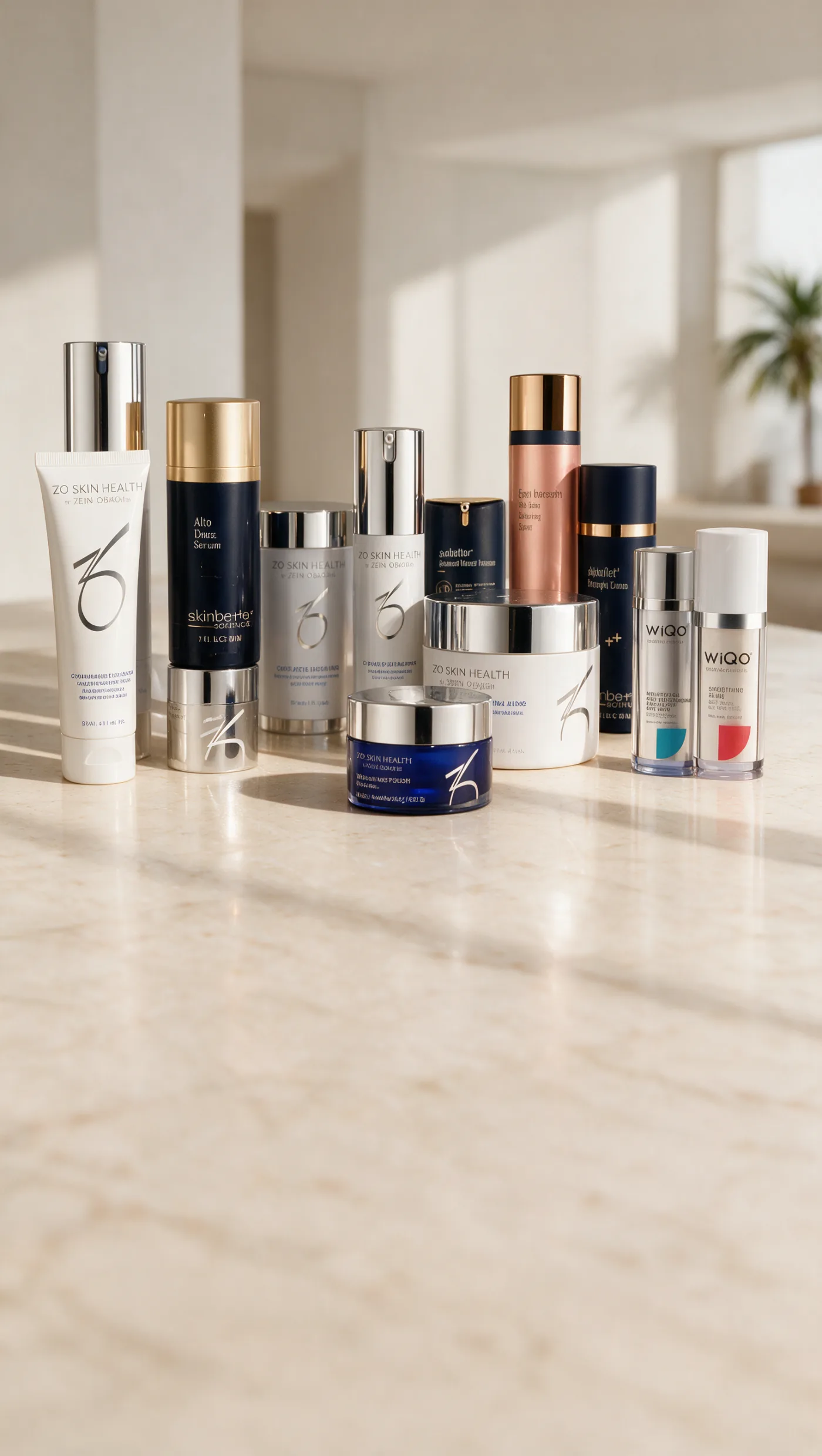
The medical-grade edit
Medical-grade skincare, without the mystique.
What higher active concentrations actually do, and how to build a routine that earns its place.
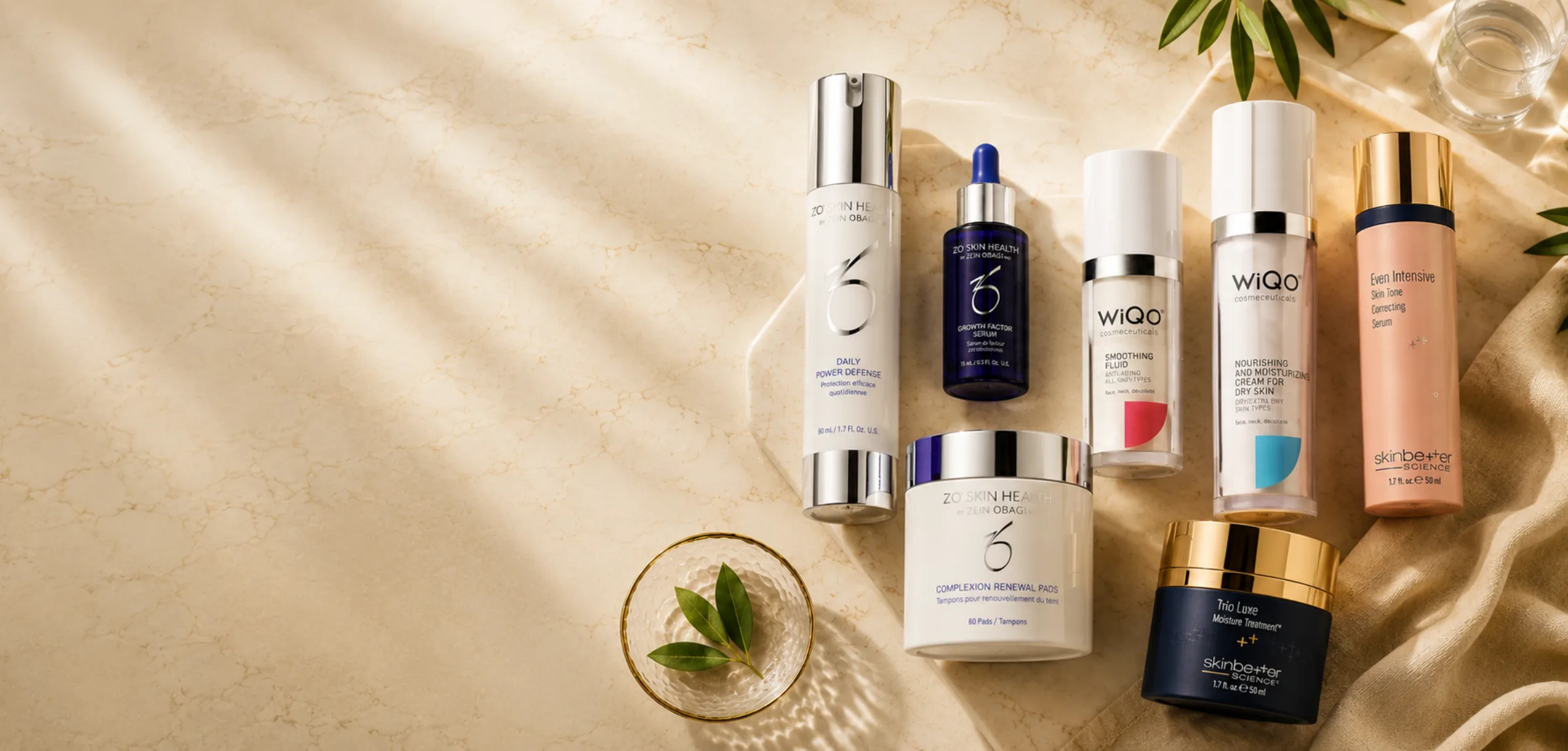
The honest version
Why one serum is $18 and another isn't
Walk any drugstore aisle and the labels look almost identical. The same buzzwords, the same actives, a fraction of the price. So it is a fair question to ask what the difference actually buys you.
The honest answer is not marketing. It is concentration and formulation. Drugstore actives are often diluted to stay shelf-stable and gentle enough for everyone on the shelf. Medical-grade lines are formulated at levels meant to actually be felt, then dispensed through professionals who match them to you.
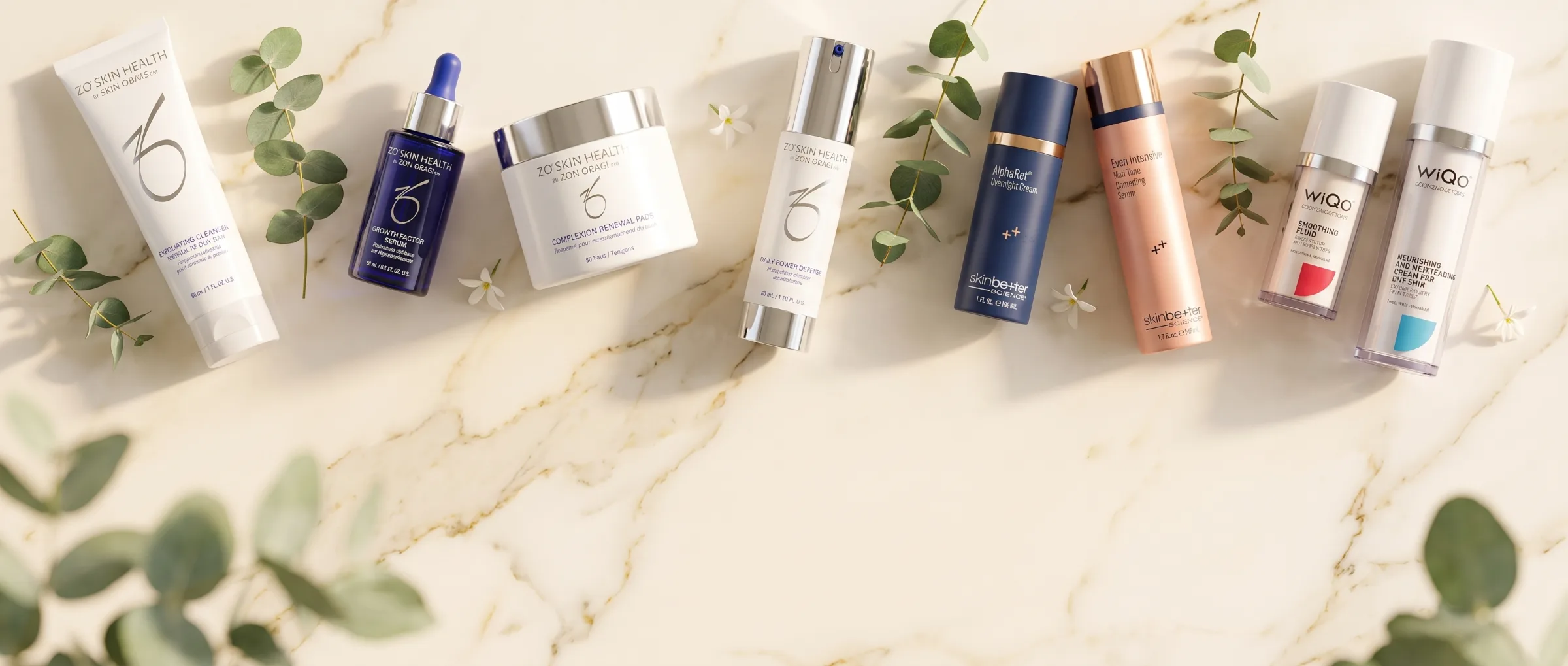
We’re not here to tell you expensive means better. Only to explain what you’re paying for.
What “medical-grade” means
Four things that actually differ
Higher active concentrations
Formulated at levels meant to be felt on the skin, not just listed on a label. Concentration is where most of the real difference lives.
Formulation, not just ingredients
The same active does little if it never reaches the right layer. These lines are built around delivery, stability, and how the whole formula works together.
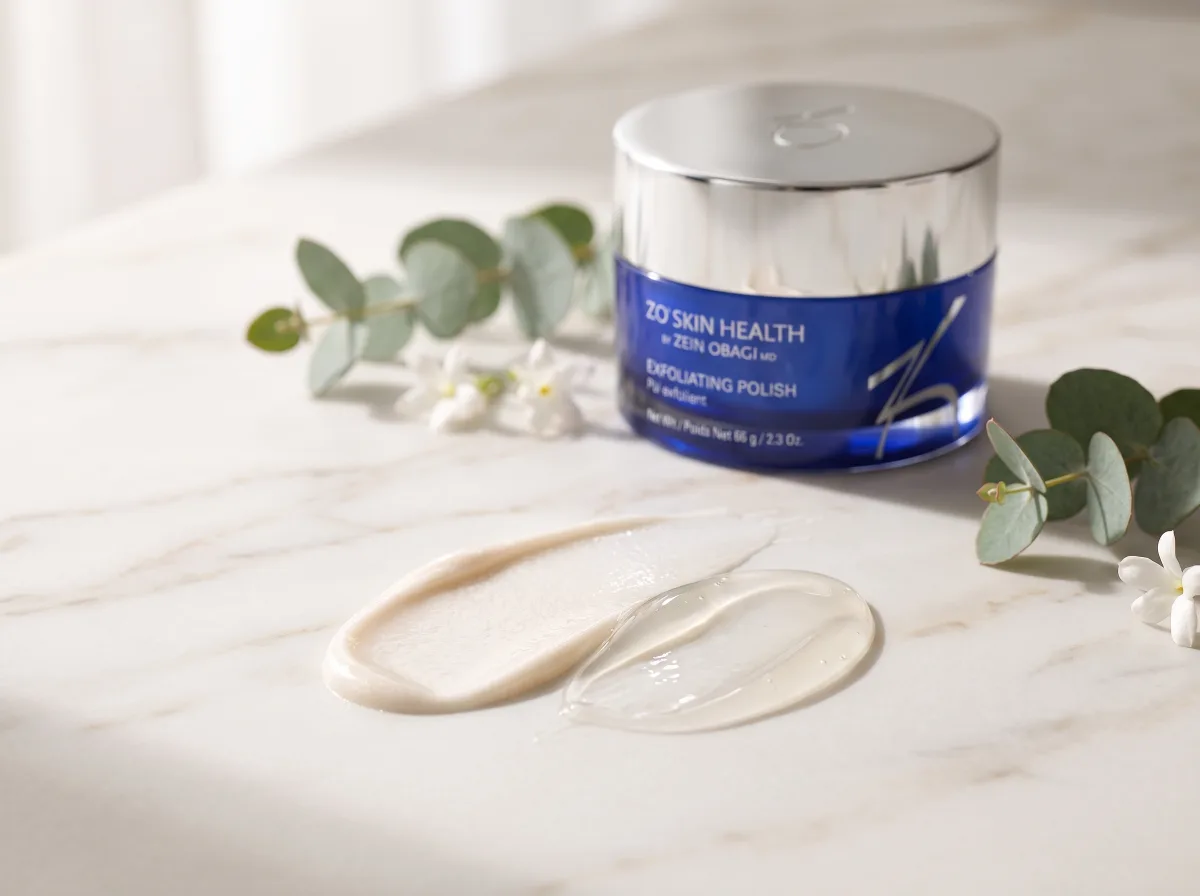
Clinically studied
The brands we carry test their formulas in dermatologist-led trials and publish the results. We cite them honestly, without inflating what they show.
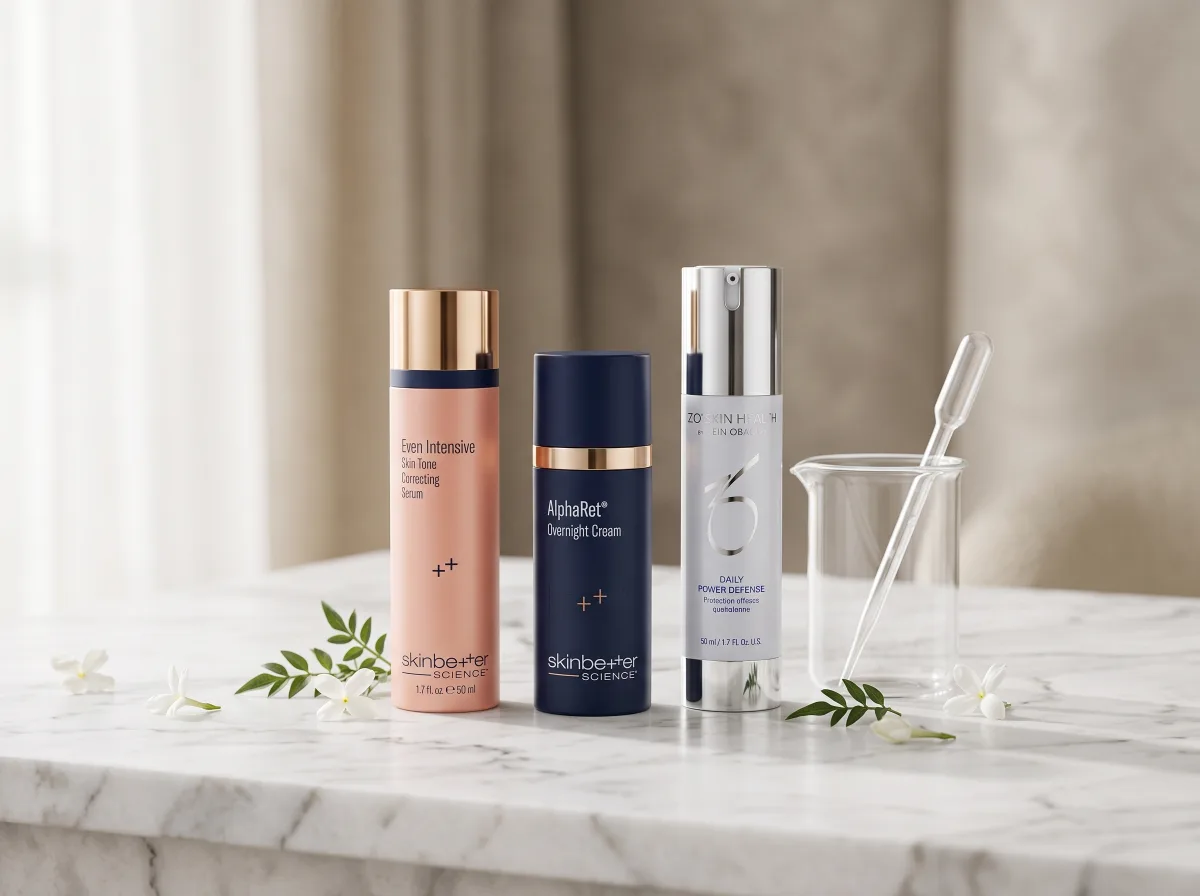
Professionally dispensed
Sold through practices, not shelves, so they can be matched to your skin and adjusted over time by people who do this every day.
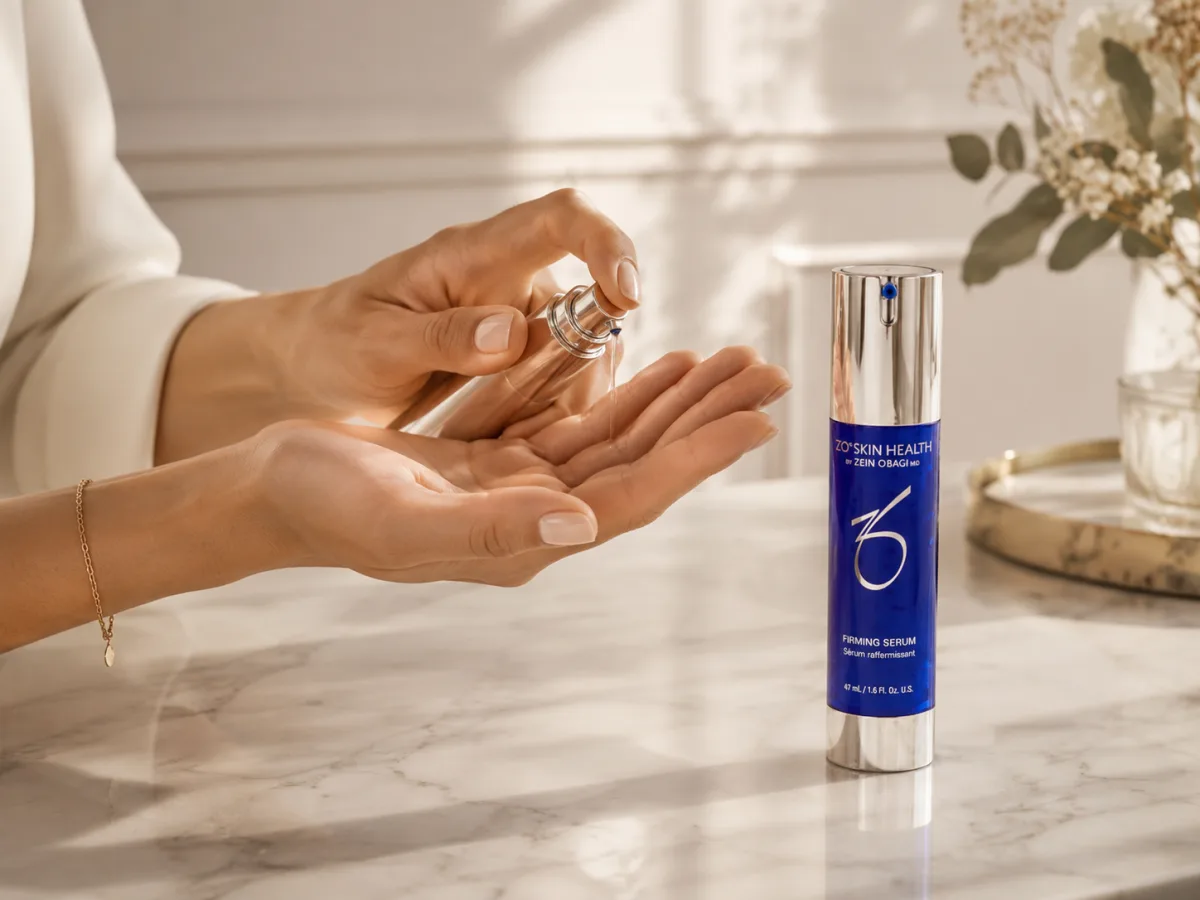
The full breakdown
Same aisle words, different math
Two serums can list the same hero ingredient and cost ten times apart, and the label rarely tells you why. Here is where the money actually goes.
None of this makes drugstore skincare a scam. It makes it a different product built to a different price. The trick is knowing which is which.
Clinically studied strengths
Stable, airless packaging
Formulated for delivery
Published clinical trials
Matched by a provider
Lower upfront price
The long version
What “medical-grade” actually means, and what it doesn’t
Start where the drugstore is right, because it usually is. A gentle cleanser is a gentle cleanser, a basic moisturizer does its job, and a $12 serum and a $120 serum often list the same hero ingredient on the front. If you’ve wondered whether the expensive one is just better marketing, that’s a smart question. Here’s the honest answer.
“Medical-grade” is a description, not a regulation
This is the part a page like this isn’t supposed to tell you: “medical-grade,” “pharmaceutical-grade,” and “cosmeceutical” are marketing words, not legal categories.
- The FDA recognizes two things you put on your skin, cosmetics and drugs. It has said plainly that “cosmeceutical” has no meaning under the law.
- Cosmetics get no FDA pre-market approval, so nothing on either shelf is “FDA-approved.”
So the premium was never buying a government stamp. It buys four specific, checkable things.
What the premium actually buys
- Concentration — the dose that was studied. A label says what’s in the bottle, never how much. “Contains vitamin C” is true at 15% or at a trace. L-ascorbic acid is generally studied in roughly the 10–20% range and at a low pH; drugstore formulas often sit at the floor that still lets the label make the claim.
- Stability — the half you never see. Vitamin C and retinol degrade in light and air. A clear dropper on a warm shelf can be half-spent before you finish it, which is why airless, opaque packaging and encapsulation are where much of the cost hides.
- Delivery — past the surface. An active only matters if it reaches the layer it works in. A large hyaluronic molecule sits on top; smaller or better-formulated versions carry hydration deeper. Formulation is delivery.
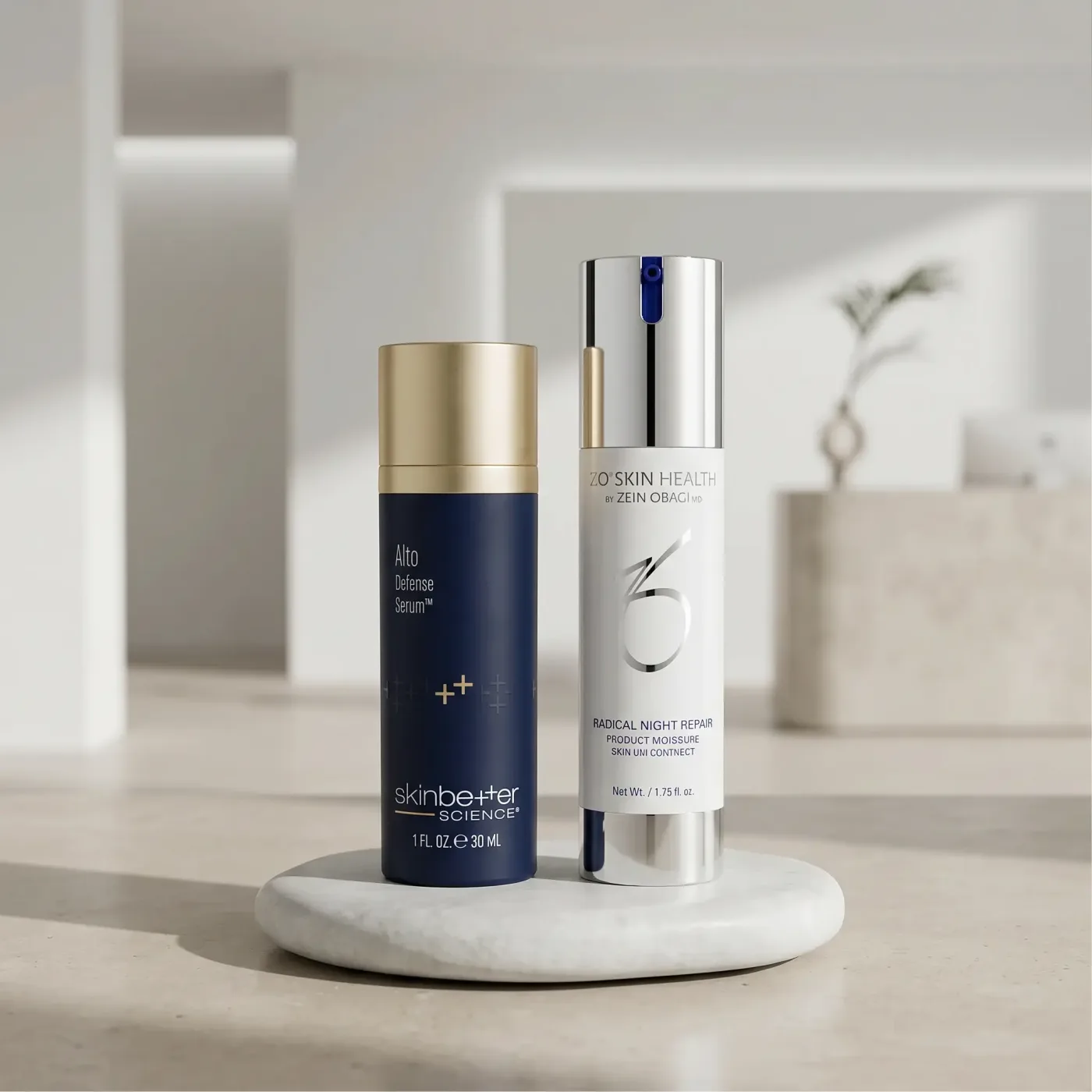
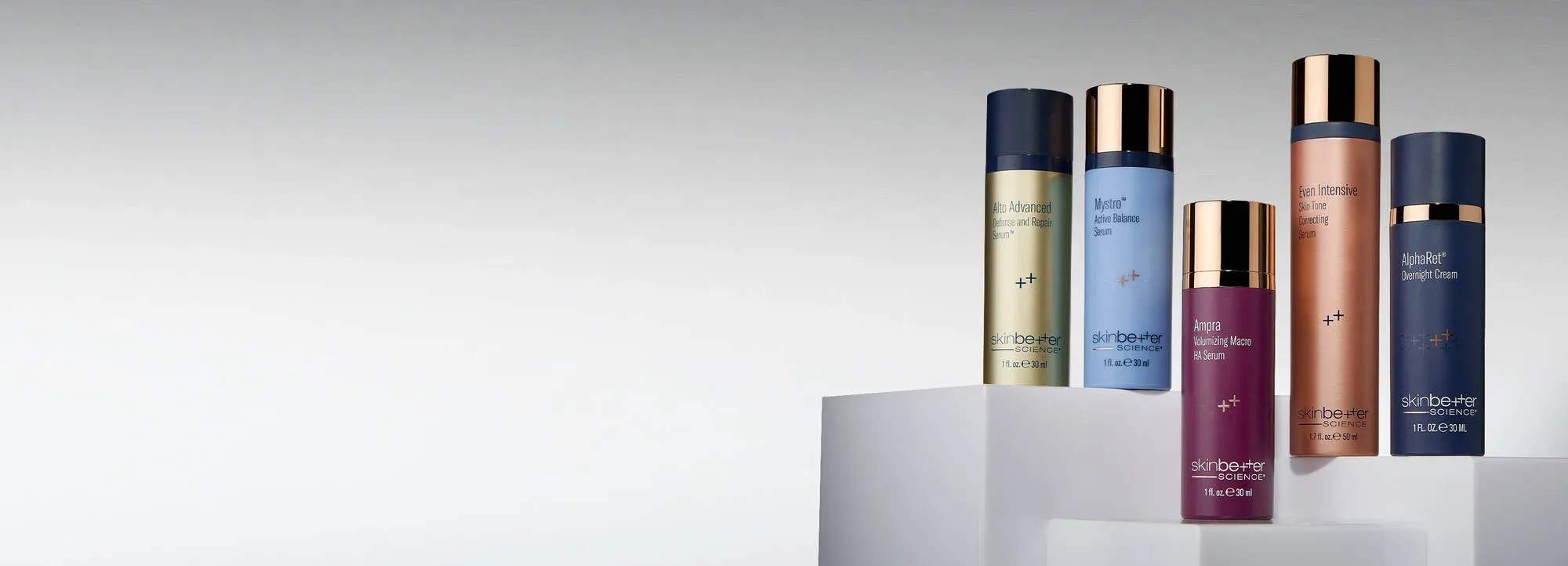
- Testing and distribution. The lines we carry publish dermatologist-led trials, and many — SkinBetter Science, ZO Skin Health — sell only through licensed practices, so a professional matches the formula to your skin.
What it doesn’t buy
Now the objection, out loud: yes, this page sells the stuff. So here’s what a sales page skips. None of this makes drugstore skincare worthless, and none of it makes medical-grade magic. It won’t out-formulate sun damage you keep adding, it won’t replace sunscreen, and it’s no substitute for a dermatologist if you have a real skin condition. The premium buys concentration, stability, delivery, and proof, not a miracle. If your skin is happy and your routine works, you may not need us, and we’d rather say so.
The honest part
When you don’t need us
A page selling medical-grade skincare telling you where to save sounds backwards. But trust runs both ways, and plenty of your routine doesn’t need a prescription-level formula.
Save your money on
Cleanser
It’s on your skin for seconds and rinses off. A gentle drugstore cleanser is genuinely fine.
Basic body moisturizer
Barrier care is barrier care.
The sunscreen you’ll actually wear
The best SPF is the one you reapply. If a $15 one gets you to do that, buy it.
Worth the upgrade
Actives you want to see work
Retinoids, vitamin C, growth factors, pigment correctors.
Anything tied to a specific concern
Lines, tone, texture, breakouts.
What you’ll use daily for months
Cost-per-use is where medical-grade quietly wins.
If your whole routine is drugstore, upgrade one active, not all five. That’s usually where the visible change comes from, and it’s the cheapest way to prove the difference to yourself.
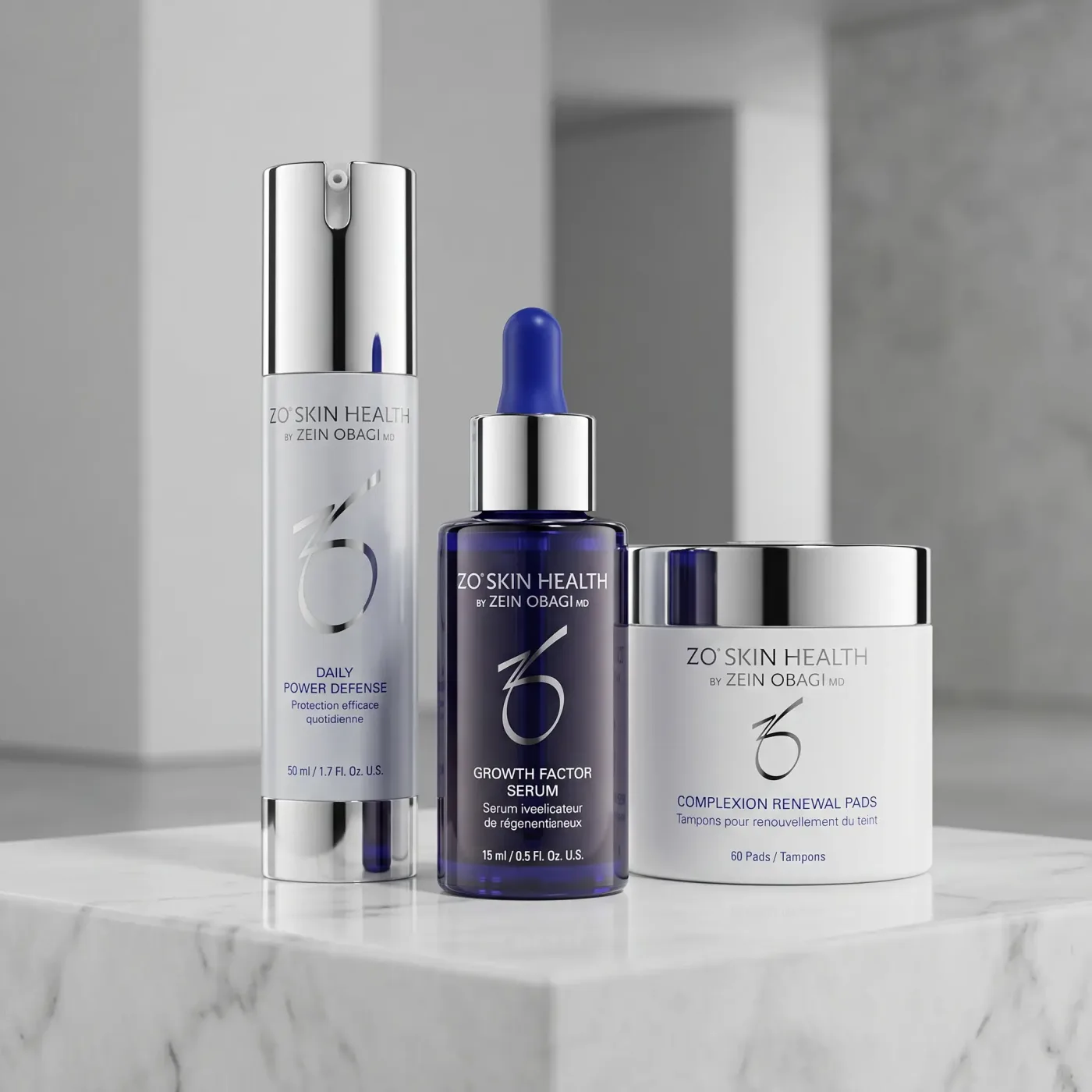
What you feel
The difference shows up in weeks, not in the bottle
A serum only earns its place if your skin can tell. Higher concentrations, real delivery systems, and formulas designed to layer are what turn a routine into results you can actually see.
Shop by concern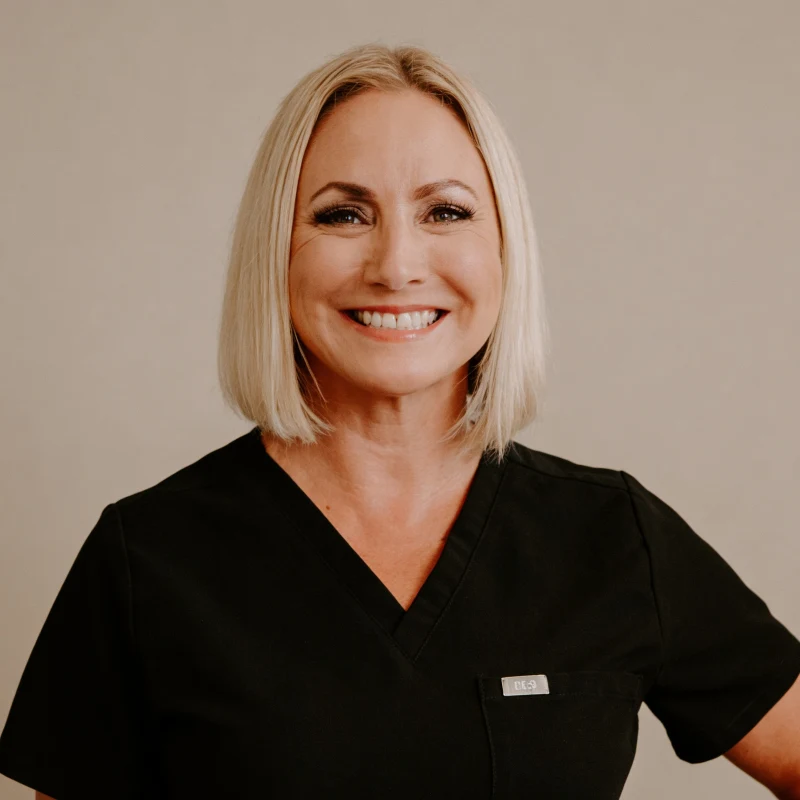
Jody Work, RN
Founder
From our founder
We only sell what we use ourselves
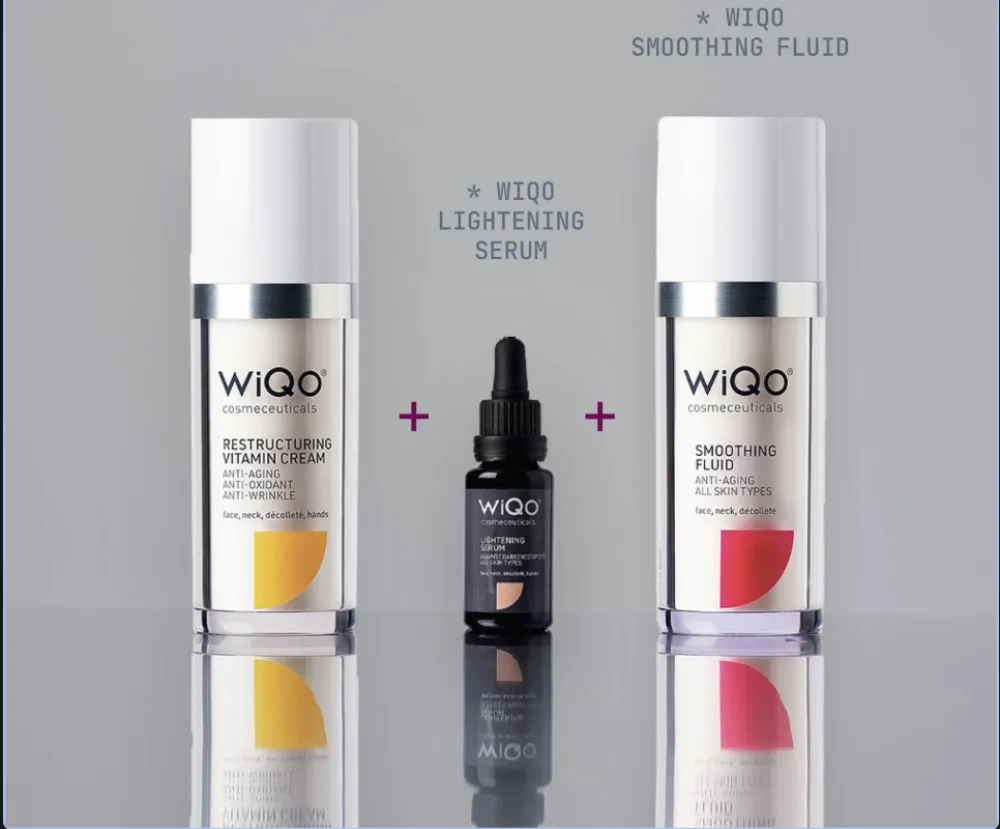
“I won’t sell a product I wouldn’t put on my own skin. ZO, SkinBetter, and WiQo are what our providers actually use ourselves, and that’s exactly why they’re the only three lines we carry.”
The lines we carry are built by people like Dr. Zein Obagi, MD, one of the most respected names in medical dermatology.
Results
What it looks like in weeks
Unretouched clinical photography from a dermatologist-led trial. This is what higher active concentrations do, given a little time.
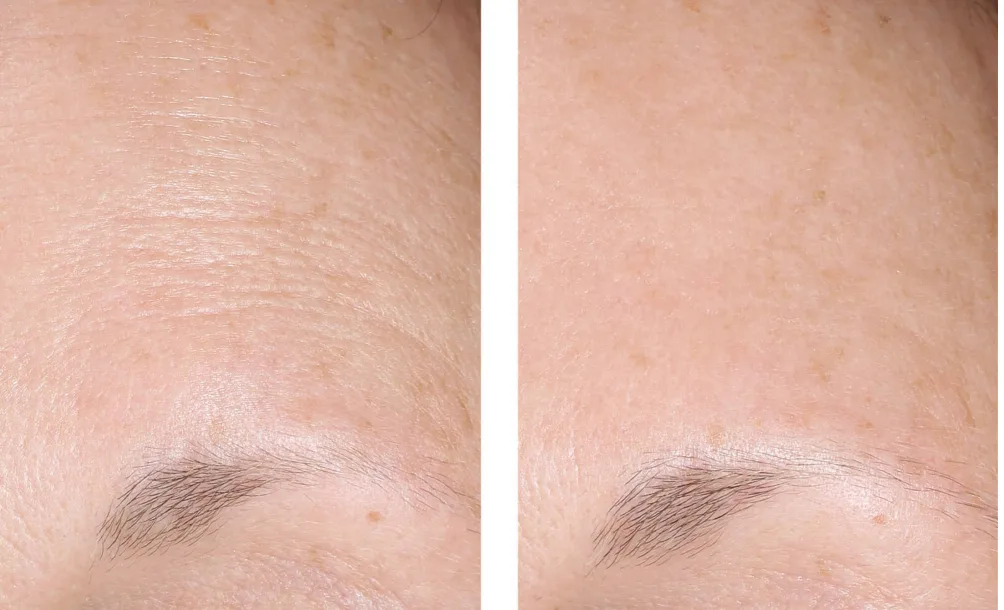
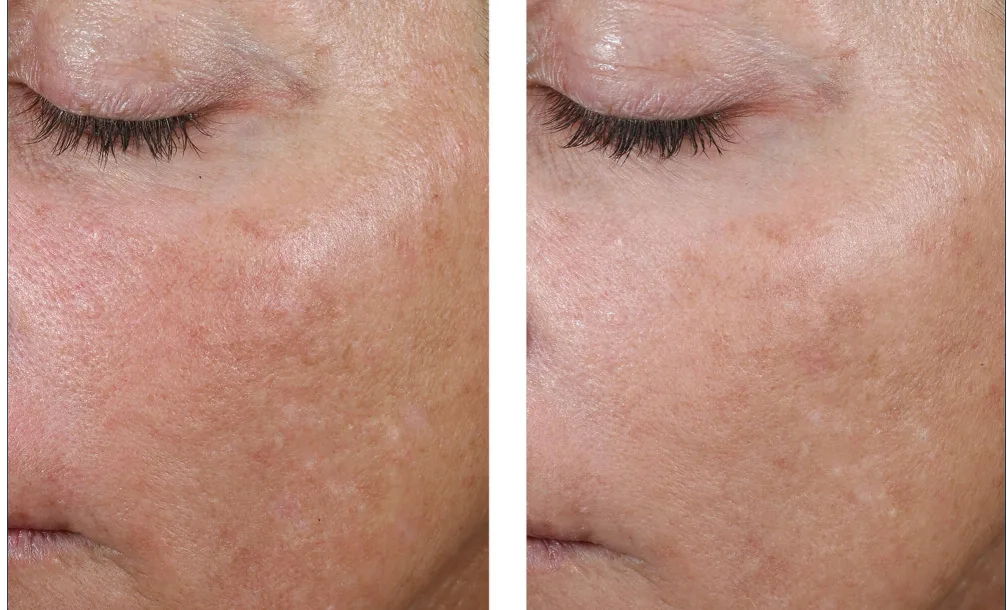
SkinBetter Science AlphaRet Overnight Cream, evaluated in a dermatologist-led clinical trial in 48 patients following evening application over 12 weeks. Twice-daily application of Even Tone Correcting Serum and evening application of AlphaRet Overnight Cream. Unretouched clinical photography on clean, product-free skin. Individual results vary.
Build your routine
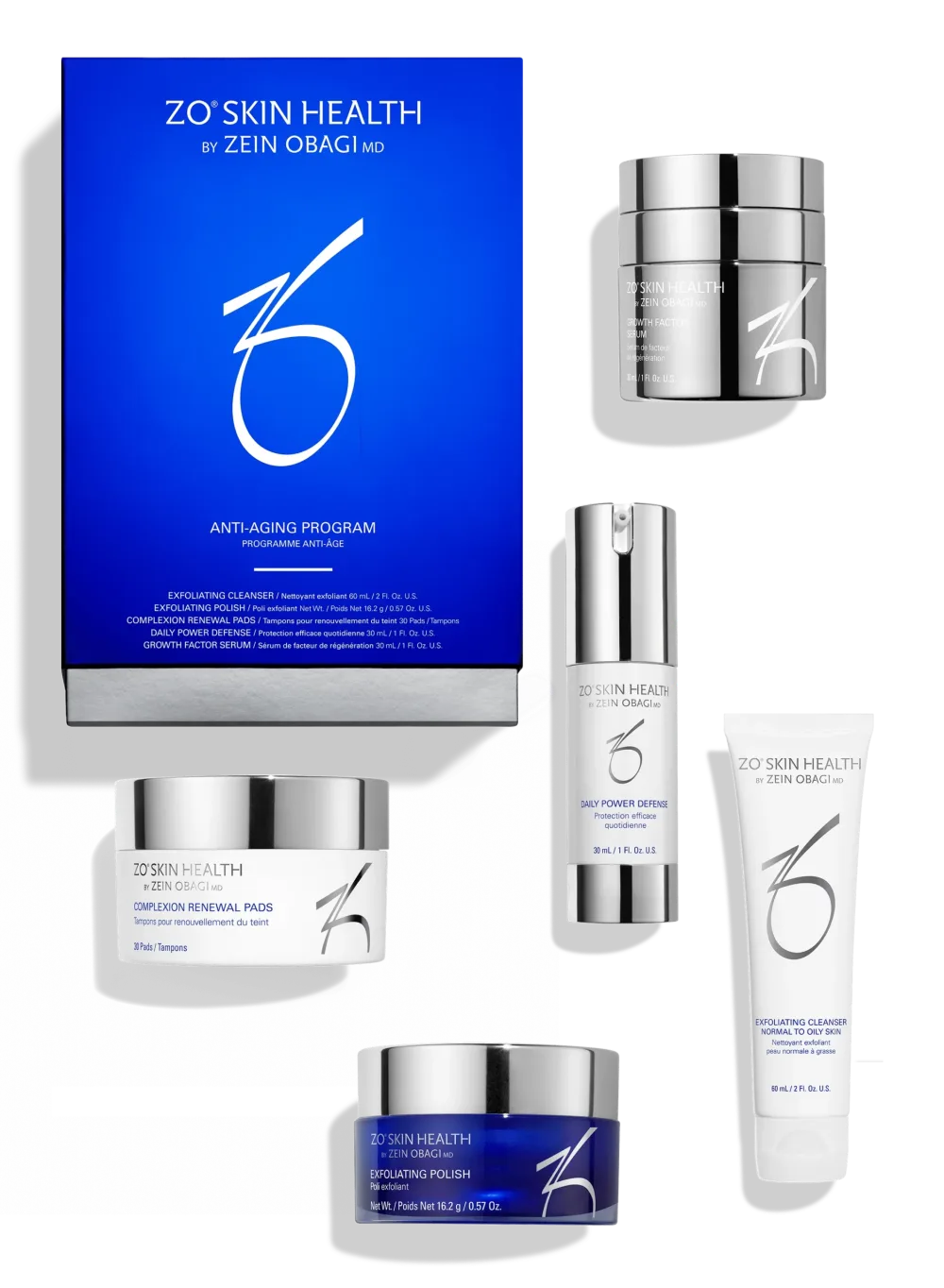
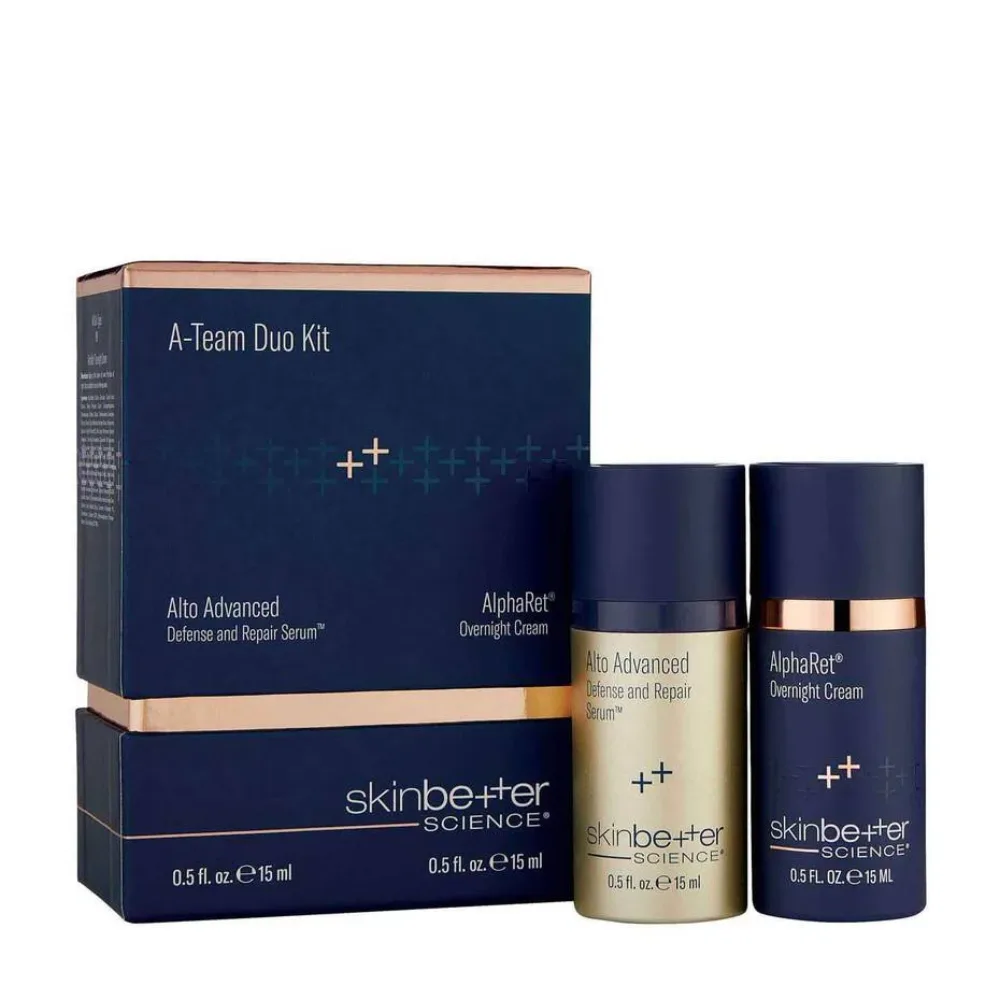
Complete regimens, curated to work together
The fastest way to see what medical-grade can do is to run a full routine, not a single product. Each set is built to layer.
Beyond the shelf
More than a skincare
Beauty Lounge is a full medical practice. Skincare is where many patients start. Our clinical team also runs nationwide telehealth for weight loss and peptide therapy, plus in-clinic aesthetics for those nearby.
Start with your skin.
Shop dermatologist-developed medical-grade skincare, or leave your email and we will send the honest breakdown plus what to build first.
By subscribing you agree to receive marketing emails from Beauty Lounge Med Spa. Unsubscribe anytime. Privacy Policy.
Start with your skin.
Shop dermatologist-developed medical-grade skincare, or leave your email and we will send the honest breakdown plus what to build first.
By subscribing you agree to receive marketing emails from Beauty Lounge Med Spa. Unsubscribe anytime. Privacy Policy.